
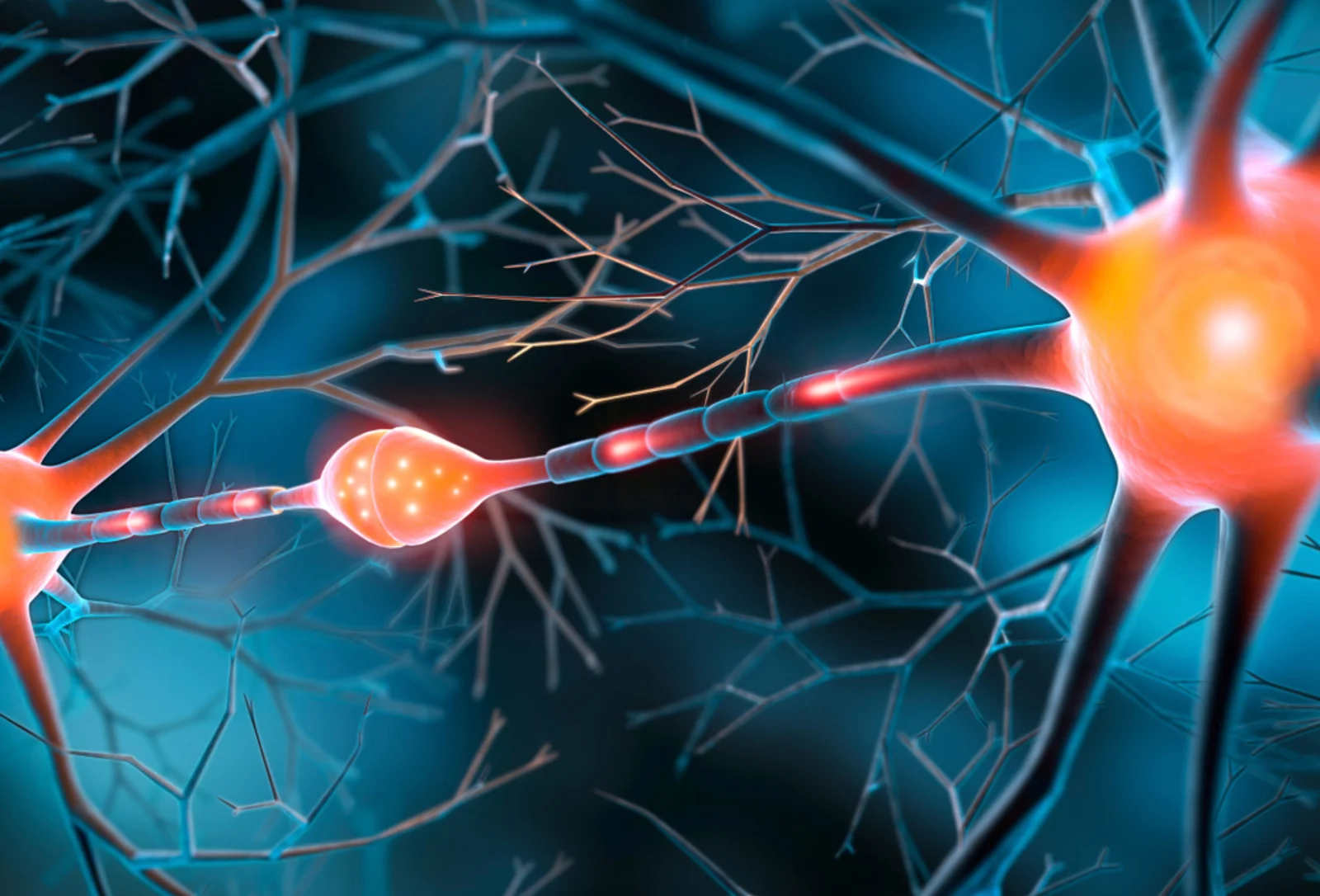
Although peripheral nerves can regenerate, unlike the brain and spinal cord, clinical outcomes after peripheral nerve injury (PNI) remain unsatisfactory in many cases. Despite extensive research efforts, the basic treatment strategies have remained largely unchanged for more than half a century. The development of effective therapeutic strategies to enhance nerve regeneration after PNI remains an unmet clinical challenge. Done
Researchers at Hokkaido University focused on Schwann cells, one of the cell types that constitute the peripheral nervous system. After injury, Schwann cells differentiated into the repair phenotype, which possesses a strong ability to promote axonal regeneration through cell surface molecules. Through screening the cell surface molecules expressed on the repair Schwann cells, they identified that GFRα1 (Glial cell line-derived neurotrophic factor receptor alpha-1) plays a pivotal role in promoting axonal regeneration. Inhibition of GFRα1 in injured nerves attenuated axonal regeneration, whereas administration of GFRα1 to injured nerves enhanced axonal regeneration and improved functional recovery after injury. These findings indicate that GFRα1 is a novel axon regeneration factor and has the potential to be an effective therapy for peripheral nerve injury.
The research team are seeking partners to advance GFRα1-based therapeutics toward clinical application.