
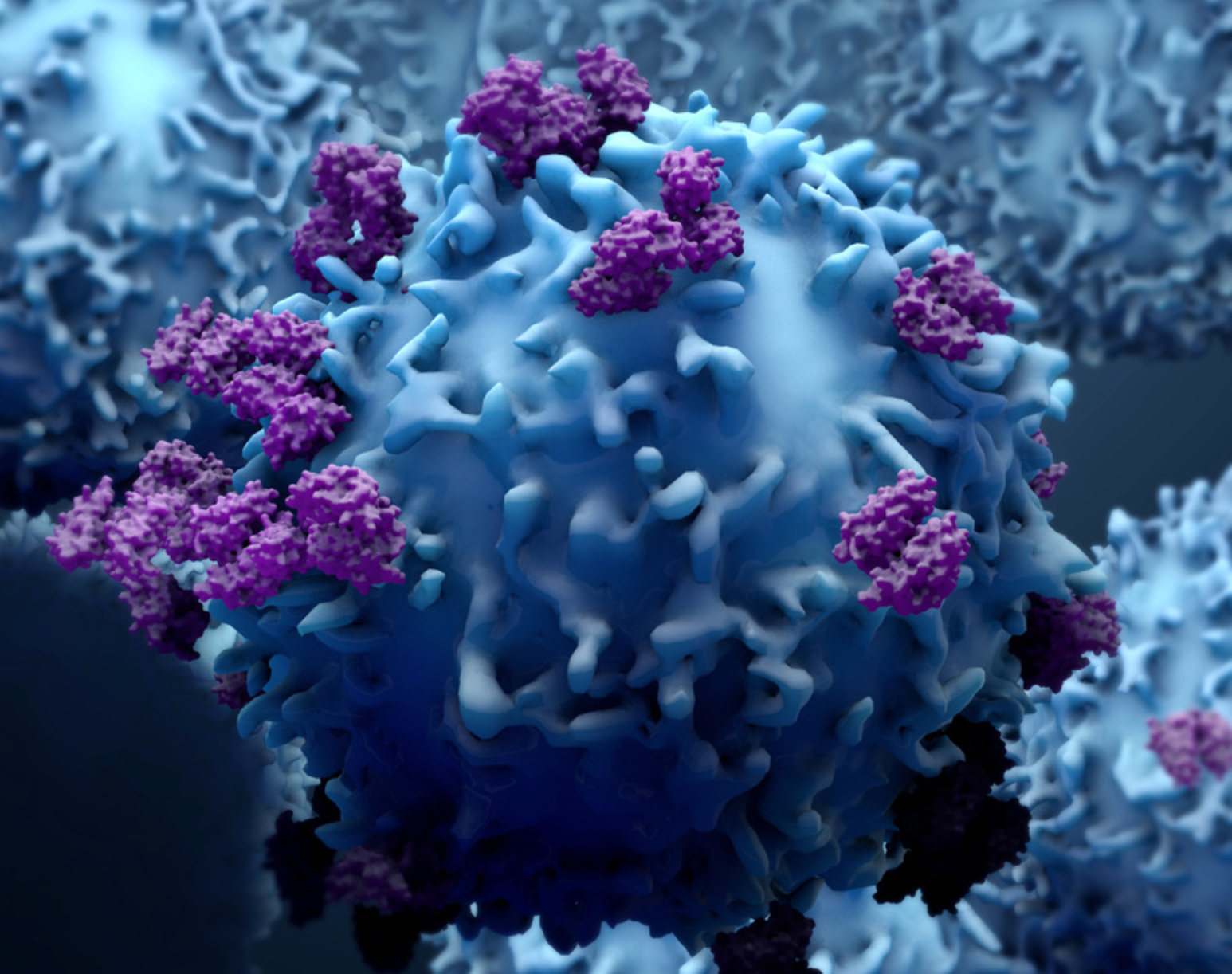
Glioblastoma remains one of the most challenging cancers to treat due to its profoundly immunosuppressive microenvironment, characterized by regulatory T cell (Treg) infiltration, immune evasion pathways, and resistance to conventional therapies. Previous CAR T efforts have been hindered by a lack of tumor-specific targets, on-target/off-tumor toxicity, and poor immune cell trafficking into the brain. A novel approach is needed to overcome these barriers while minimizing systemic toxicity.
This invention features anti-GARP CAR T cells that harness a humanized scFv targeting free (uncomplexed) GARP, linked to an advanced CAR architecture incorporating optimized costimulatory and signaling domains. The CAR T cells are designed to selectively recognize and attack GARP-expressing glioblastoma cells, glioma stem cells, tumor-associated vasculature, and intratumoral Tregs, while sparing normal tissues such as platelets.
Preclinical validation has shown that these CAR T cells can inhibit tumor growth, enhance survival, and remodel the tumor immune environment by depleting suppressive Tregs and sustaining cytotoxic T cell activity, with no notable systemic toxicity.
Partnering/licensing: Open to partnerships for further development and commercialization. Spinout potential: Strong novelty and clear clinical need support opportunities for startup formation. Strategic alliances: Ideal fit for immuno-oncology developers aiming to expand into solid tumor CAR T therapies.